Interview with Dr. Isabella Hodgson
Digital Curator at the German Maritime Museum Bremerhaven
New Ways Through the Museum
The German Maritime Museum in Bremerhaven researches and communicates maritime history, showing how closely ships, people, and seas are connected. As a Leibniz Association research museum, it combines historical objects, scientific perspectives, and exhibitions that make maritime topics from the past and present accessible.
But how can exhibitions be experienced beyond the physical museum space? With cura3D 360° InteractiveTour Photo, virtual tours are created to a high photographic standard, connecting exhibits, spaces, and in-depth media content.
We spoke with Dr. Isabella Hodgson, Digital Curator at the German Maritime Museum in Bremerhaven, about digital interpretation, new forms of access, and the use of the software in museum practice.
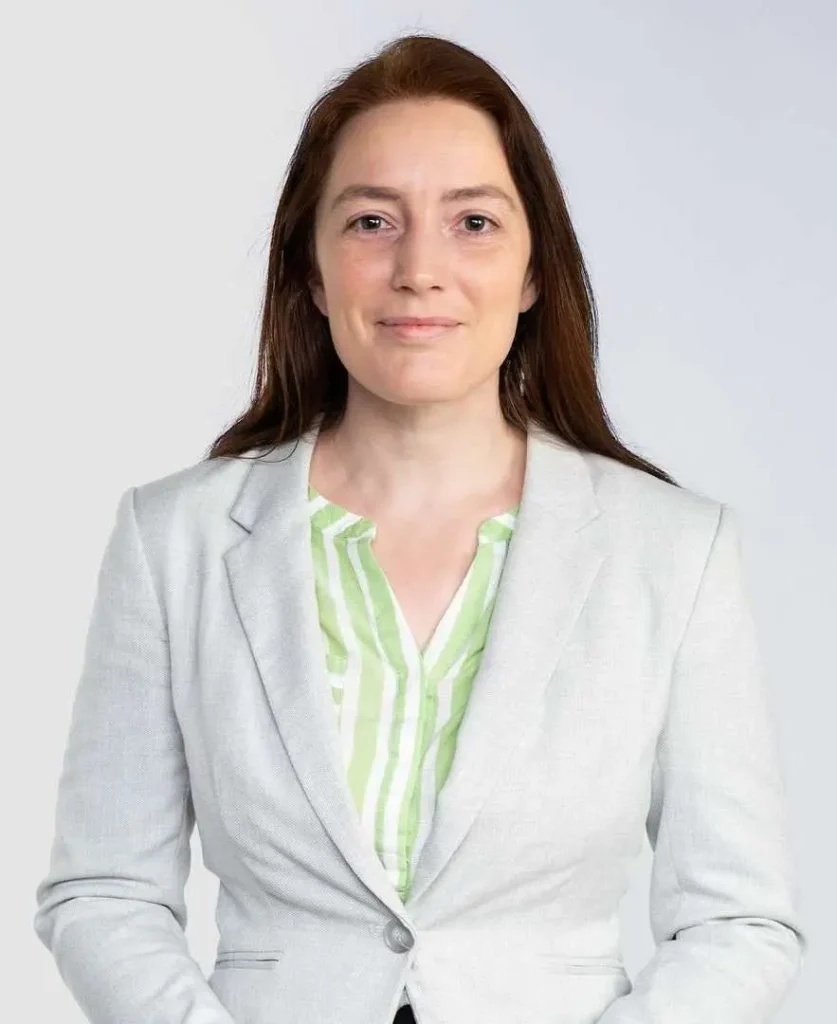
“A smartphone is all that is needed to access our offerings at any time and from anywhere.”
How did the idea of creating a virtual tour for the German Maritime Museum in Bremerhaven arise?
We invested a great deal of time and effort in two special exhibitions. Because they address topics of lasting importance to the museum, we want to make them accessible in the digital space over the longer term. It was also important for us to consider how we could keep the tour alive as a digital offering, for example through guided tours.
What was your experience of introducing cura3D 360° InteractiveTour Photo at your museum?
Taking the photographs ourselves with a high-tech camera was an interesting experience. At first, I was surprised that the system could be operated without technical expertise. The images turned out very well even though the room, with its large window fronts, is not easy to photograph. The quality of the panoramas and the content management system you developed were very well received at the museum.
What do you see as the greatest strength of digital interpretation in art and culture?
One strength is, of course, accessibility. A smartphone is all that is needed to access our offerings at any time and from anywhere. The internet can also be a space where museums and virtual visitors can meet and exchange ideas with few barriers. Participatory digital applications therefore have the potential to reach people who may not yet know the museum. We also hope that our 3D digitised objects will help integrate the museum experience more closely into users’ everyday lives.
What further digital ambitions do you have for the German Maritime Museum in Bremerhaven?
We want to express ourselves digitally in the most comprehensive and sustainable way possible. As the digitisation team, we regularly take up requests and suggestions from across the museum in order to create a tailored digital offering. We also develop our own applications, which gives us a high degree of flexibility. Of course, it is not possible to program and maintain every piece of software ourselves. External applications that allow experimentation as well as subsequent adjustments and improvements are therefore particularly interesting to us.
What is your favourite feature of cura3D 360° InteractiveTour Photo?
I particularly liked the flexibility it gives museums to design the experience themselves. For example, the option to create custom icons that open new content with a click is especially exciting.
Dear Dr. Hodgson, thank you very much for your answers!