AniMA
Animating Museum Artefacts
Gesellschaft für Technische Visualistik mbH, cura3D GmbH & Co. KG, and IXLAB at TU Dresden, together with Staatliche Kunstsammlungen Dresden as an associated partner, are launching a joint research project to bring originally mobile artefacts back to life using AR, VR, and XR technologies.

Bringing Artefacts to Life
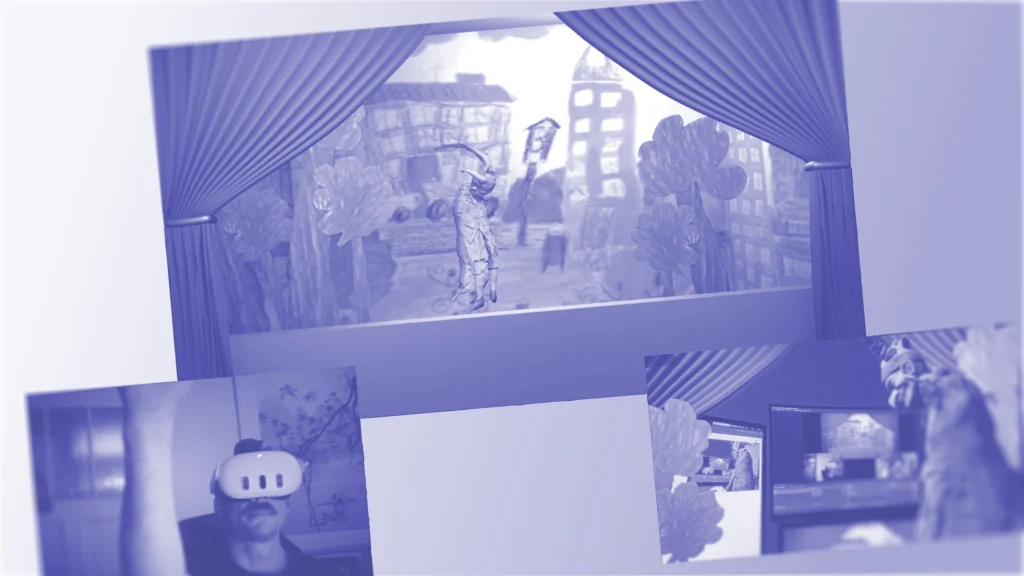
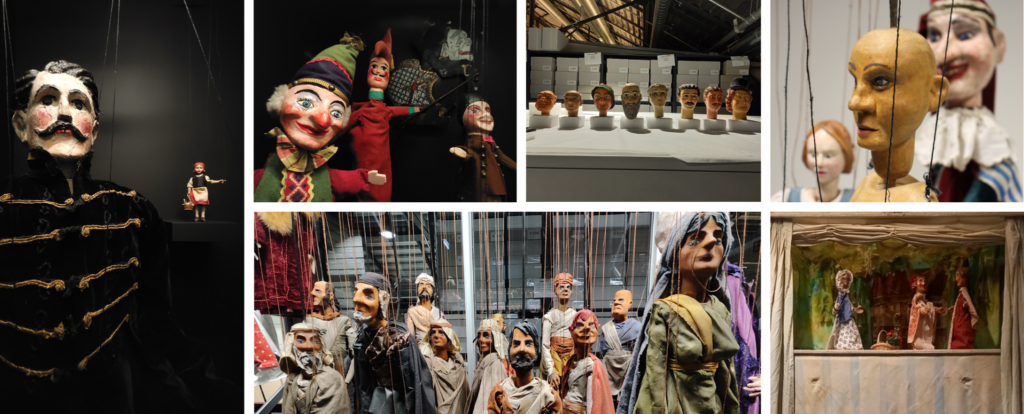
The Puppet Theatre Collection of the Staatliche Kunstsammlungen Dresden consists of more than 100,000 objects – including historical and modern puppets, costumes, stage designs, scripts, photos, and videos – and tells the many-layered history of puppetry. Its full potential often becomes visible only when the objects are experienced in motion or in play. In the ANIMA project, we are developing new ways to bring these objects digitally to life in a mixed-reality environment. Additional information, interaction, and virtual movement create new access to the collection – vivid, accessible, and future-oriented.
Immersive Interactive Experiences
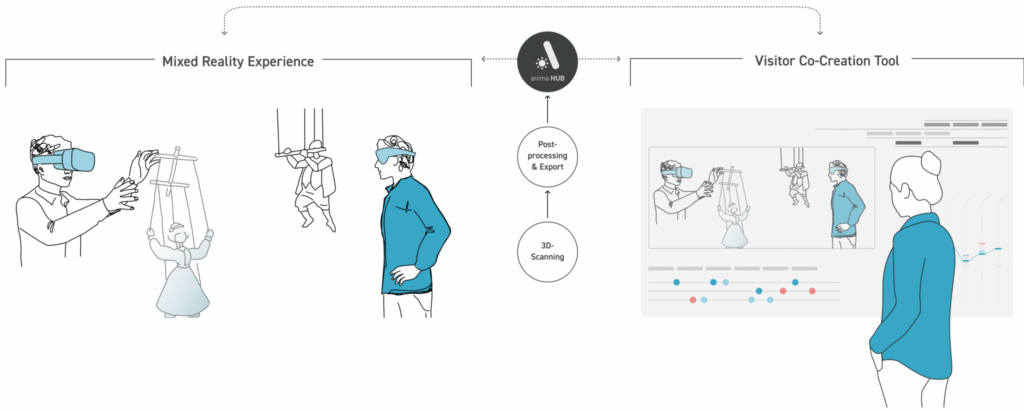
At the center of the project is the question of how formerly movable objects can be presented, especially in combination with multi-user mixed-reality technologies. While conventional media stations often function separately from the actual exhibit, mixed-reality applications create a direct connection between virtual content and real objects. The spectrum ranges from simple additional information and digital extensions to animated and interactive scenarios. The goal is to develop flexible multi-user presentation formats for annotated and animated 3D objects that can be used in different contexts, including accessible experiences. Modern web technologies help keep the barriers for museums as low as possible and enable simple, low-maintenance distribution.
AniMA Hub for 3D Objects
How can 3D objects be communicated more easily? And how can modern methods for capturing and processing objects be used even better? Can methods from the entertainment industry, such as AI-supported animation, also be applied in other fields? We explore these questions while developing a digital hub: a central platform through which 3D models can be managed, extended, and prepared flexibly for different applications. The focus is on the technical basis for data exchange and the ability to adapt the platform to future requirements.
Results
Our team has worked extensively on the digitization of movable objects and built key expertise in AR, VR, and XR technologies. Based on exemplary artefacts captured from the collection of the Staatliche Kunstsammlungen Dresden, and through the development and evaluation of various proofs of concept with potential users, we developed a differentiated understanding of how historical movable artefacts can be appropriately digitized, interpreted, and made experienceable.
The focus is on how such objects can be presented not only visually, but also made interactively experienceable in their material, functional, and performative qualities. At the same time, particular attention is paid to ensuring that the approaches developed meet the practical requirements of museum institutions and provide lasting added value for visitors. Guiding criteria included flexibility, accessibility, reusability, and transferability of the developed solutions. The insights gained during the project were continuously documented, reflected upon, and made available in scientific publications.