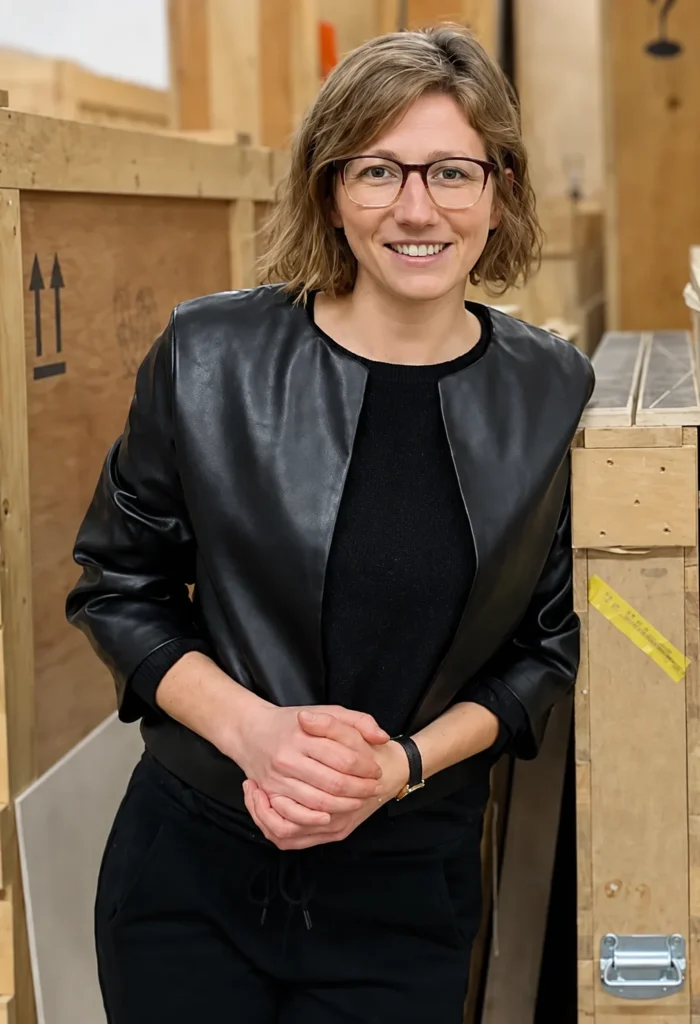
Interview with Lea Schaefer
Curator at Museum Reinhard Ernst
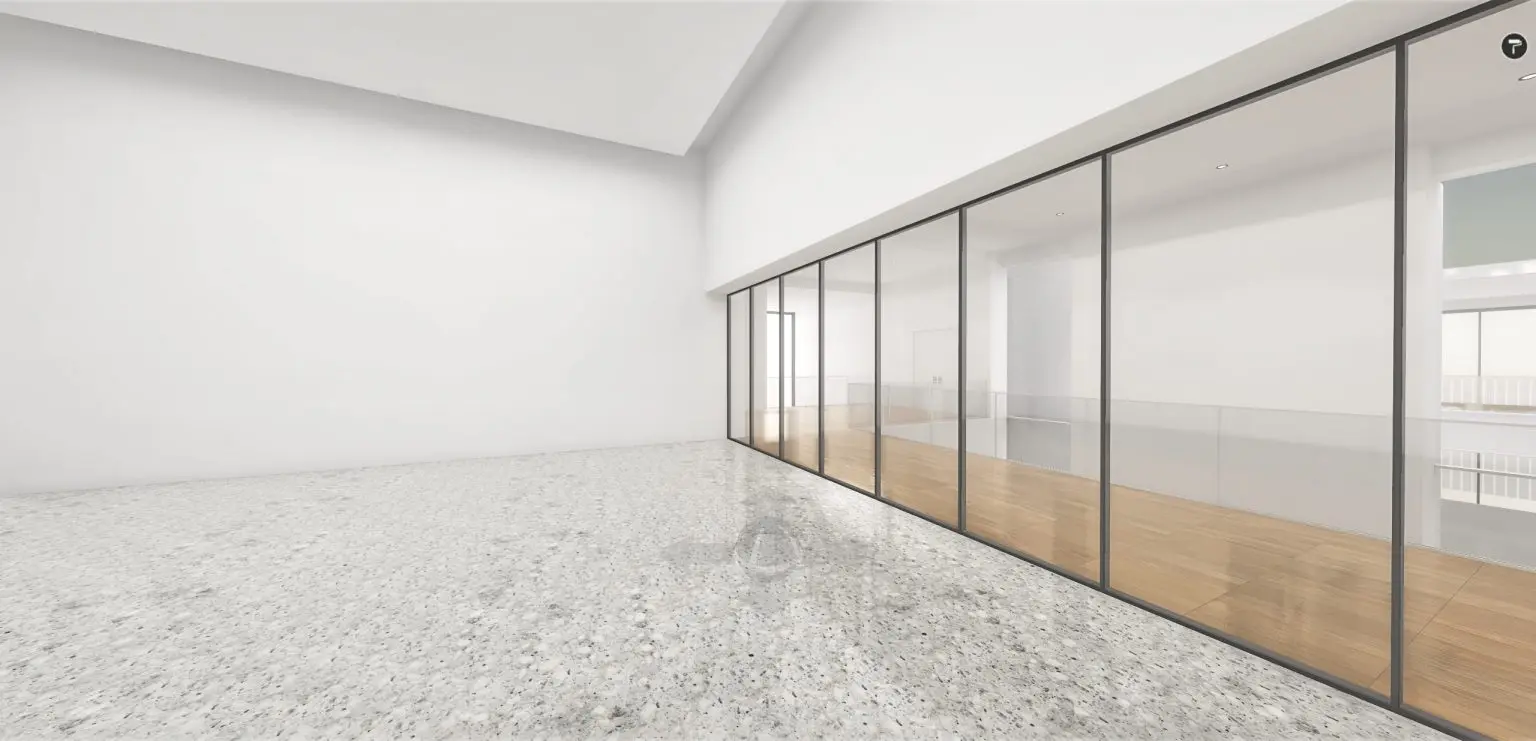
A New Home for Abstract Art – and an Unusual Planning Challenge
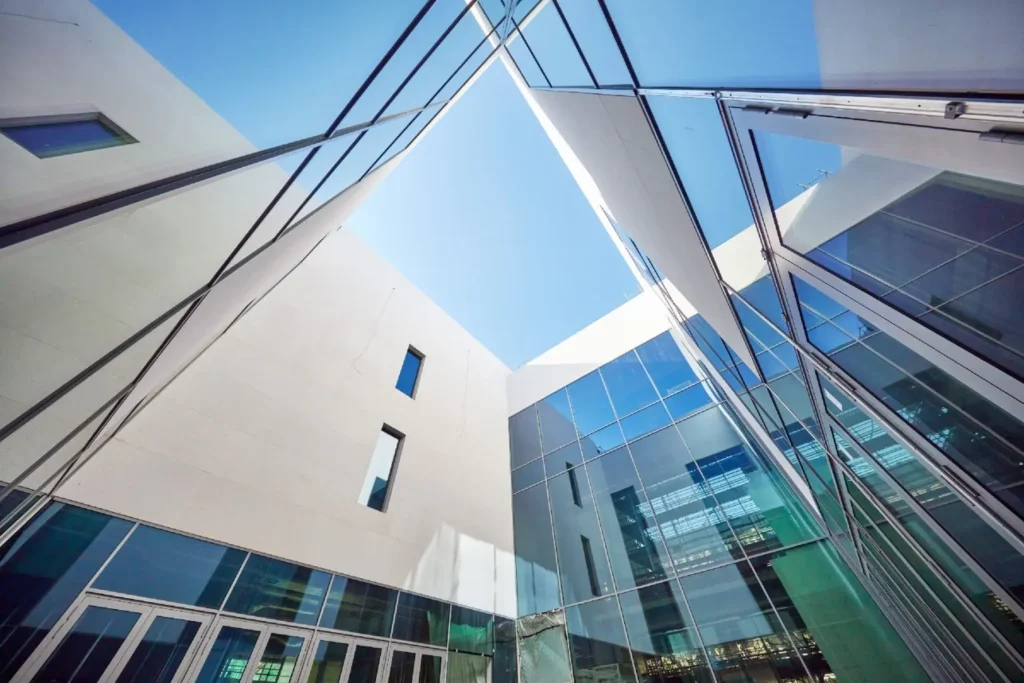
In the summer of 2024, the Museum Reinhard Ernst opened in the heart of Wiesbaden. Designed by Japanese architect Fumihiko Maki, the new building provides around 9,000 square metres for one of Germany’s most important private art collections. Around 900 works of abstract art—from German post-war art and the Japanese Gutai group to American Abstract Expressionism—form the core of the collection.
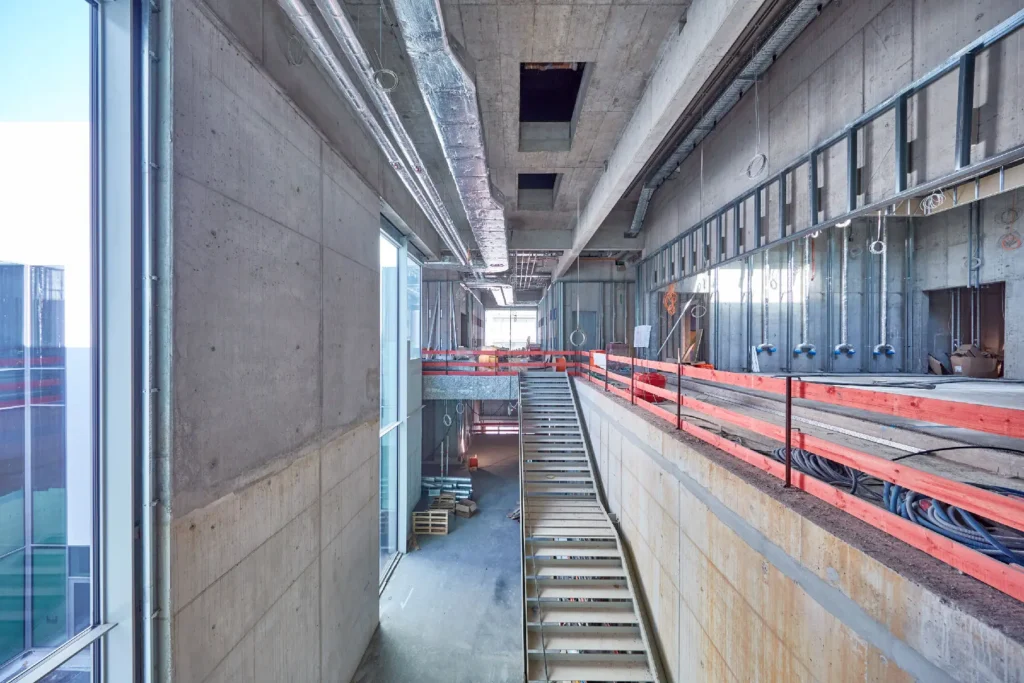
The particular challenge was that the building and the inaugural presentation were being developed at the same time. While the exhibition rooms were gradually taking shape, curator Lea Schäfer and her team already had to decide how the works would function in the space, which dialogues would emerge between them, and how visitors would move through the collection.
cura3D museum pro gives the team a tool for precisely this task. The software translates the real dimensions of Maki’s architecture into walkable virtual exhibitions. This makes it possible to develop an authentic sense of space at an early stage—for proportions, hanging arrangements, and the interaction between monumental works and the architecture. The digital tours also provide a shared basis for the team to discuss and coordinate presentation decisions from any location.
“The virtual spaces provide an initial sense of space that is essential for planning exhibitions.”
What does your work with cura3D museum pro look like?
The software is currently helping us develop the exhibition and the inaugural presentation of the collection. On paper, it is easy to develop concepts and place works in dialogue, but that dialogue also has to work in the exhibition space. The dimensions of the works and the rooms define the range of possibilities.
At this stage, we therefore use the software to develop a feel for the works in the collection and for the museum’s architecture.
In which areas is the software particularly helpful?
Because the exhibition spaces are only gradually taking shape while the exhibition and the inaugural presentation of the collection are being planned at the same time, working with cura3D is indispensable. The virtual rooms provide an initial sense of space that is essential for planning exhibitions.
The software also serves as a communication tool. The online tours allow us to discuss individual presentation solutions—even when working from home.
What is your vision for the new museum?
The Museum Reinhard Ernst is intended to become a centre of expertise for abstract art in the heart of Wiesbaden. We want to establish and advance a successful, contemporary understanding of the museum, extending from the architecture to the exhibition concepts and making it tangible for visitors.
Where do you personally still see scope for further digital development in museums?
Our team is currently working on various digital extensions for the Museum Reinhard Ernst. We are considering augmented reality, the use of digital media in educational formats, virtual curating for visitors in digital spaces, and the digital presentation of the collection. Creating a new museum offers a great deal of freedom, but it is also necessary to set priorities and, where appropriate, to identify the limits of digital technologies for the Museum Reinhard Ernst.
What is your favourite cura3D museum pro feature?
Our favourite features include the interface to MuseumPlus, which makes it possible to position works to scale, and the online tour mentioned earlier. Both features make our work considerably easier.