Exhibition Planning with cura3D
at the Museum of Fine Arts Leipzig
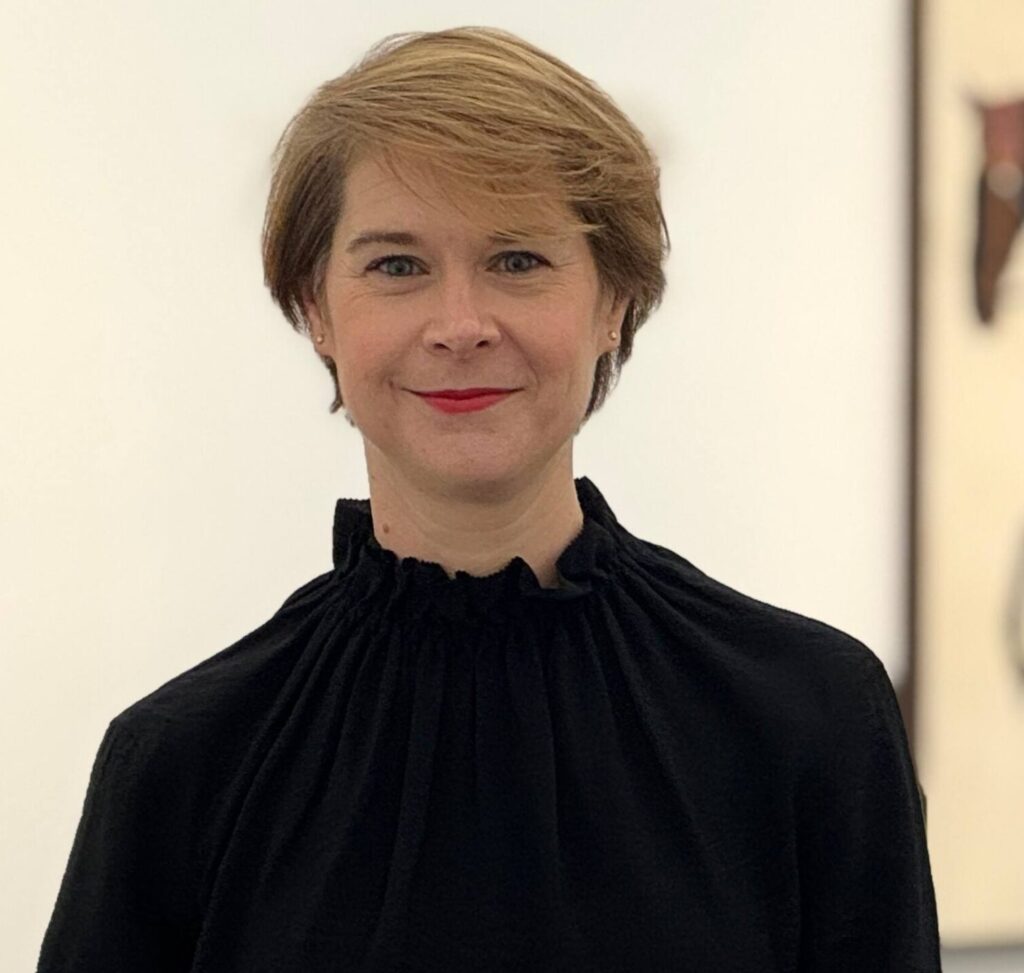
Curator Dr. Jenny Graser in conversation
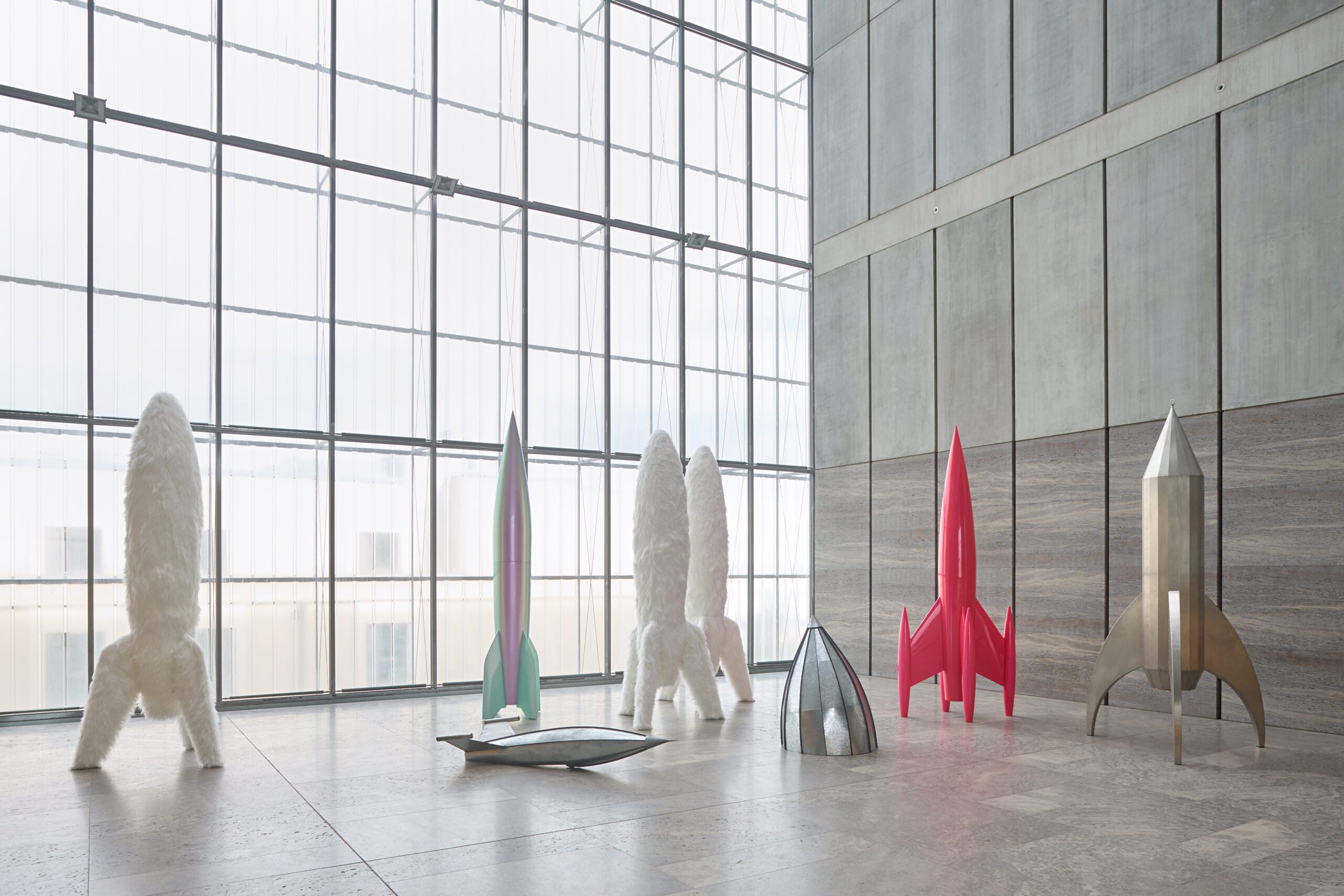
For the exhibition “First Spaceship on Venus” by Swiss artist Sylvie Fleury, the Museum of Fine Arts Leipzig faced a particular spatial challenge: an exhibition space of exceptional height but comparatively limited floor area. Curator Dr. Jenny Graser began using cura3D at a very early stage of the planning process—even before loan requests for the works were submitted. In this interview, she offers insights into the process and explains the role digital exhibition planning played in curatorial decision-making and the subsequent installation.
Museum of Fine Arts Leipzig
Dear Dr. Graser,
What challenges did you encounter when planning the spatial layout of the exhibition “First Spaceship on Venus”?
The challenge was to strike the right balance between the number and scale of the exhibits and the exhibition space, with its exceptional height and comparatively limited floor area. cura3D helped us assess the proportions more accurately.
At what stages of the exhibition planning process did you use cura3D?
We used cura3D at a very early stage to determine the number of loans. Once the exhibition concept had been established, we used the 3D model to define the number of objects. Only then did we submit the loan requests.
How did the 3D visualisation help you assess scale, spacing and sightlines?
cura3D supported the planning process through its precise placement tools and the various perspectives it offers on the space—from lateral views to a bird’s-eye view. We were able to test the scale of the objects and the distances between them. The different ways of moving objects within the 3D model were especially helpful.
Did this allow you to compare different layouts and curatorial ideas more quickly?
The comparison was quick. We developed two possible exhibition layouts in cura3D, and a preferred option had already begun to emerge. This was ultimately the version we implemented.
How did cura3D support coordination with the artist and the teams involved?
The artist had visited the exhibition space in advance and received a visualisation of the planned installation before the installation phase began. This made coordination with her much easier, as we were able to agree on both the placement and the number of exhibits. Since the artist could not be present on site and could only accompany the installation digitally, this allowed us to prepare the process effectively. Planning in cura3D also simplified coordination and preparation within the MdbK team: object placement could be adjusted quickly, and the works did not need to be moved unnecessarily.
Did cura3D lead you to make any decision differently?
cura3D primarily reinforced my decision to pursue a particular exhibition layout. I would therefore say that the decision was not made differently, but rather with cura3D.
How closely did the digital plan match the final experience of the exhibition space?
The digital plan and the physical installation were very close. On site, the exact placement of the objects was refined in response to the physical perception of space and light.
From a curator’s perspective, what is the greatest benefit of cura3D?
It enables us to plan the required exhibits quickly and precisely, providing confidence when organising complex and cost-intensive exhibitions. This saves both time and financial resources. It also conveys the dimensions of a space very effectively, which is helpful when positioning both monumental and small-format works—paintings as well as sculptures.
What is your favourite feature in cura3D?
I particularly value the ability to position exhibits with centimetre-level precision, which makes it possible to prepare complex wall elevations. This provides confidence during installation, when time is often tightly scheduled. The ability to exchange matted and framed works quickly is another advantage, especially when planning with works on paper that need to be changed regularly. Long-term exhibitions can therefore be modified easily and efficiently over the course of several years.
Dr. Graser, thank you very much for speaking with us.
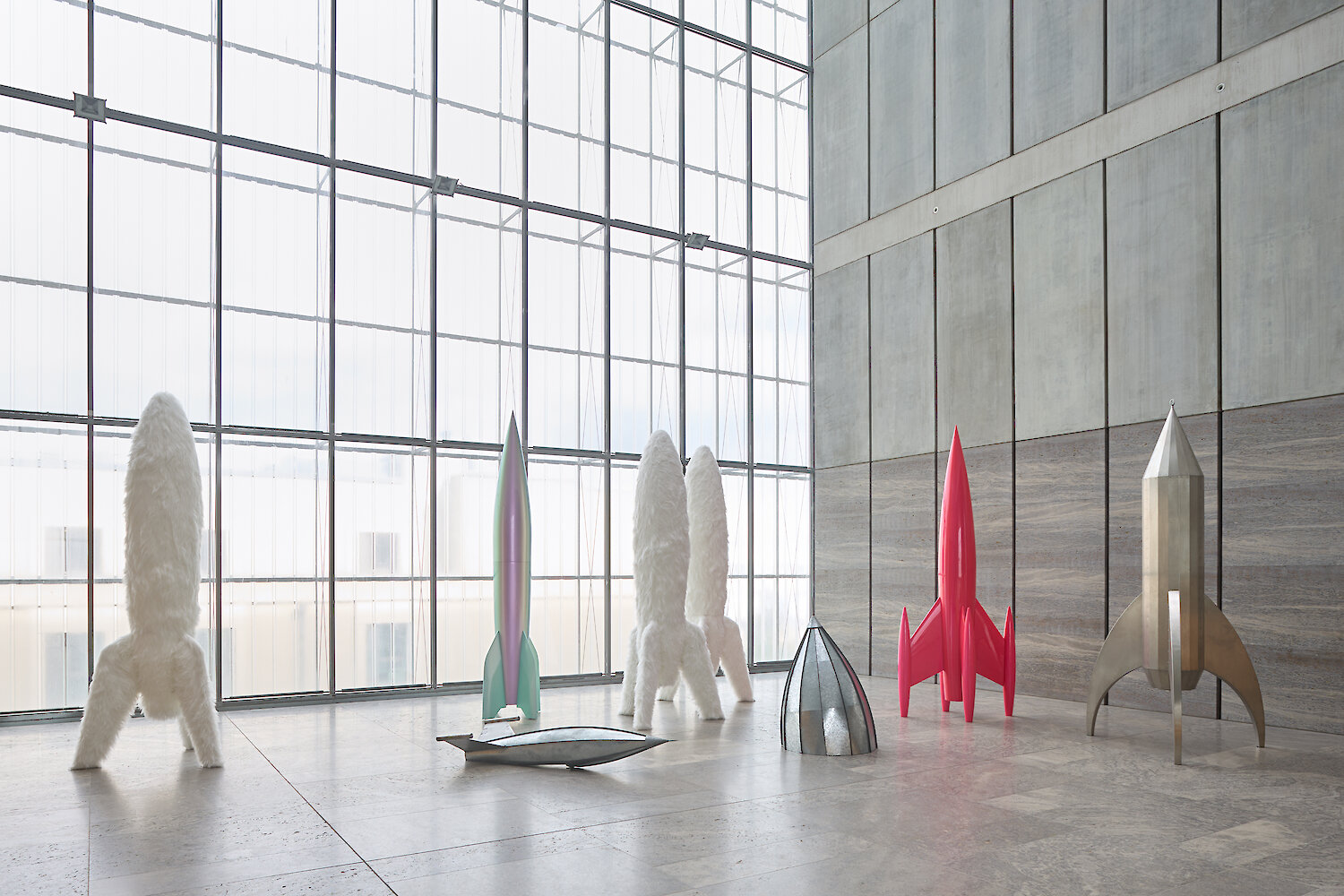
First Spaceship on Venus
An exhibition at the Museum of Fine Arts Leipzig
3 September 2026 – 5 September 2027