Virtual Museum Tours
Eva Reifert and Bernhard Witz from Kunstmuseum Basel in Conversation
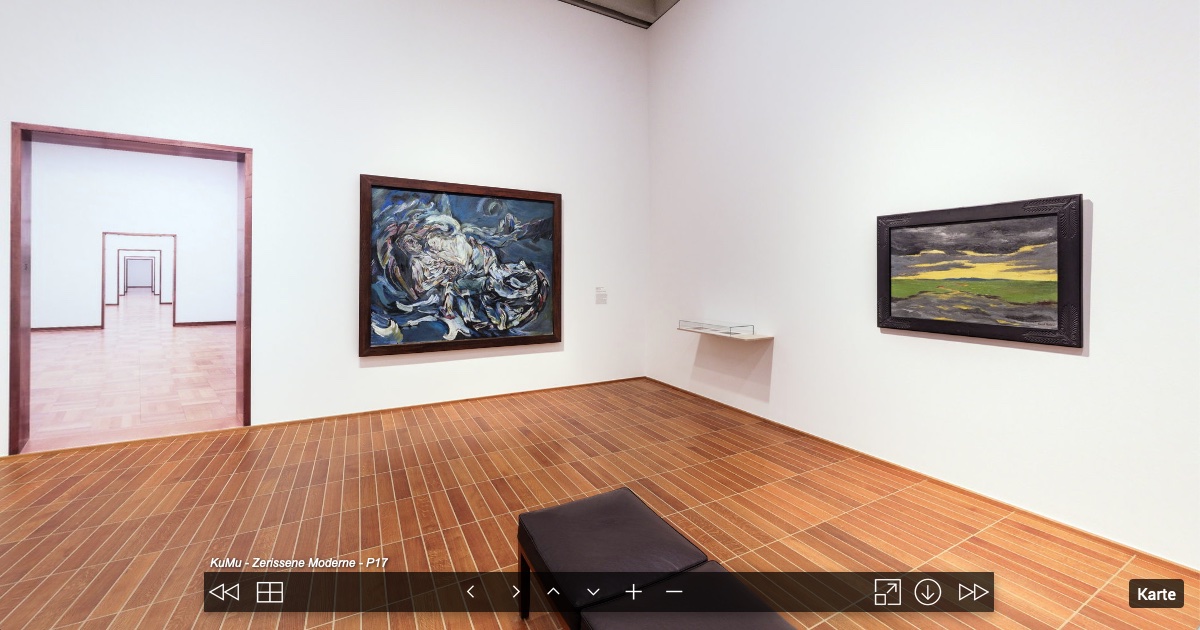
When Exhibitions End, Their Stories Do Not Have to Disappear
Kunstmuseum Basel is one of the world’s most important public art collections, combining historic holdings with exhibitions that shed new light on central questions in art and cultural history. With the exhibition “Torn Modernism – The Basel Acquisitions of Degenerate Art”, the museum explored a particularly complex chapter in the history of its collection.
How can an exhibition remain accessible after it has been dismantled—with a sense of space and context as well as high-resolution images of the exhibits? cura3D 360° InteractiveTour Photo was used to create the fifth virtual tour for Kunstmuseum Basel. A special technical extension was the integration of high-resolution artwork images via an external IIIF server.
We spoke with Dr. Eva Reifert, curator of the exhibition, and Bernhard Witz, Head of Digital Collections & Applications at Kunstmuseum Basel, about exhibition archiving, digital interpretation, and the practical use of virtual tours.
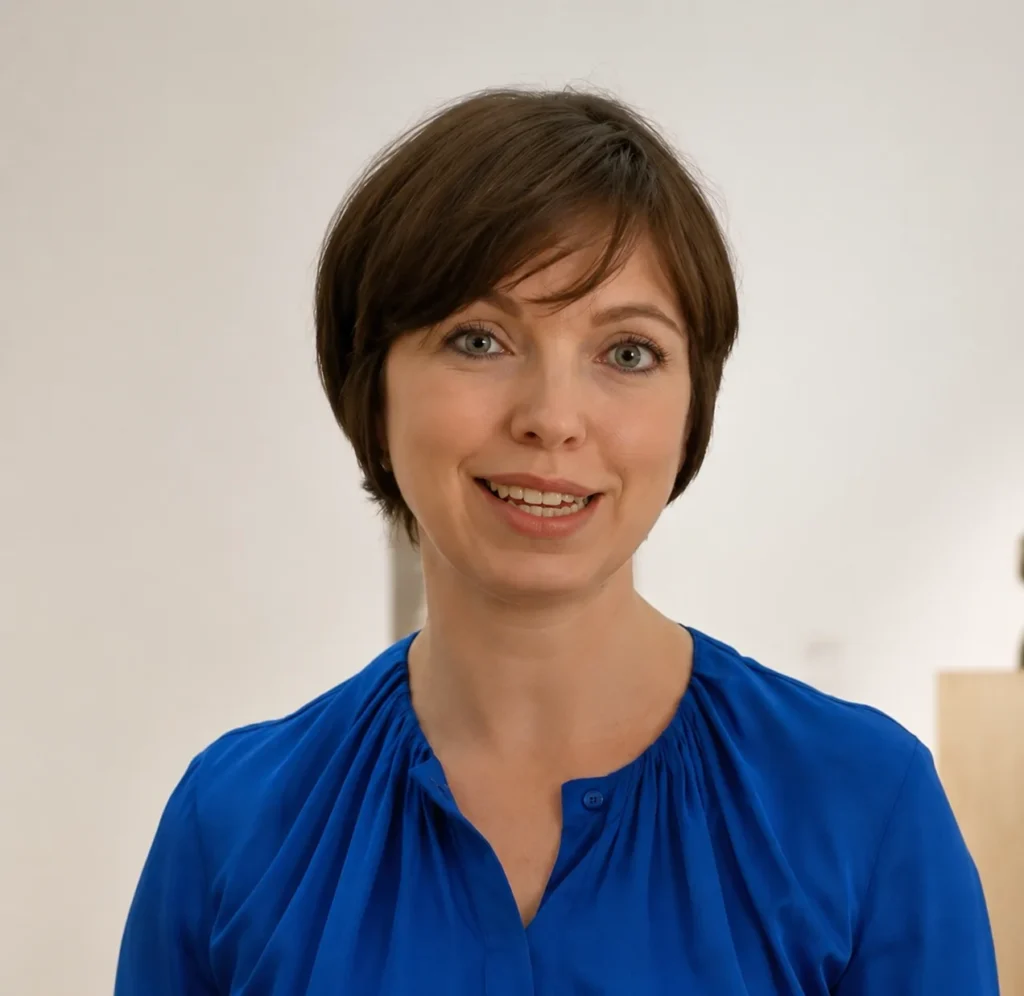
“A digital presence is a good way to reach those who were unable to see the physical exhibition.”
What advantages do you see in using virtual tours?
It is wonderful to give exhibitions that we have worked on for years a continued life after they have been dismantled. For projects that are significant to the history of our museum, such as “Torn Modernism”, the archival aspect also plays an important role for me.
By incorporating all the materials, texts, films, and other content, a virtual tour offers entirely different possibilities from photographic snapshots. A digital presence is also a good way to reach everyone who, for a wide variety of reasons, was unable to see the physical exhibition, and to give them access to its content and even a sense of the space.
What are the advantages of 360° digitisation compared with traditional exhibition photography?
For me, it is important to convey a sense of the space and of moving through it—so that things reveal themselves in sequence and can even be surprising. Specially produced films, texts, and the integrated high-resolution images together offer an experience that is the next best thing to visiting the exhibition itself. Nothing can replace the atmosphere in the room or the impression of standing in front of an original. But a virtual tour is naturally preferable to room photographs that do not provide access to the content and cannot show the overall context.
What is particularly important to you in terms of presentation and user guidance in virtual tours?
At some point, there will certainly be ways to make the whole experience even smoother—for example, navigation without arrows or videos that start without a double-click when you look at them for a moment. Even now, however, the experience of approaching and moving away, looking closely and skimming over things is conveyed remarkably well.
What do you like best about cura3D 360° InteractiveTour Photo? Do you have a favourite feature?
For me, it is about the whole experience and how the elements work together, and in my view that works well.
How do you assess the new possibilities for digital interpretation, such as guided curator tours, discussing exhibitions in schools, or educational use?
I hope that over time the virtual tour will become an established offering and will be used creatively in a wide variety of contexts.
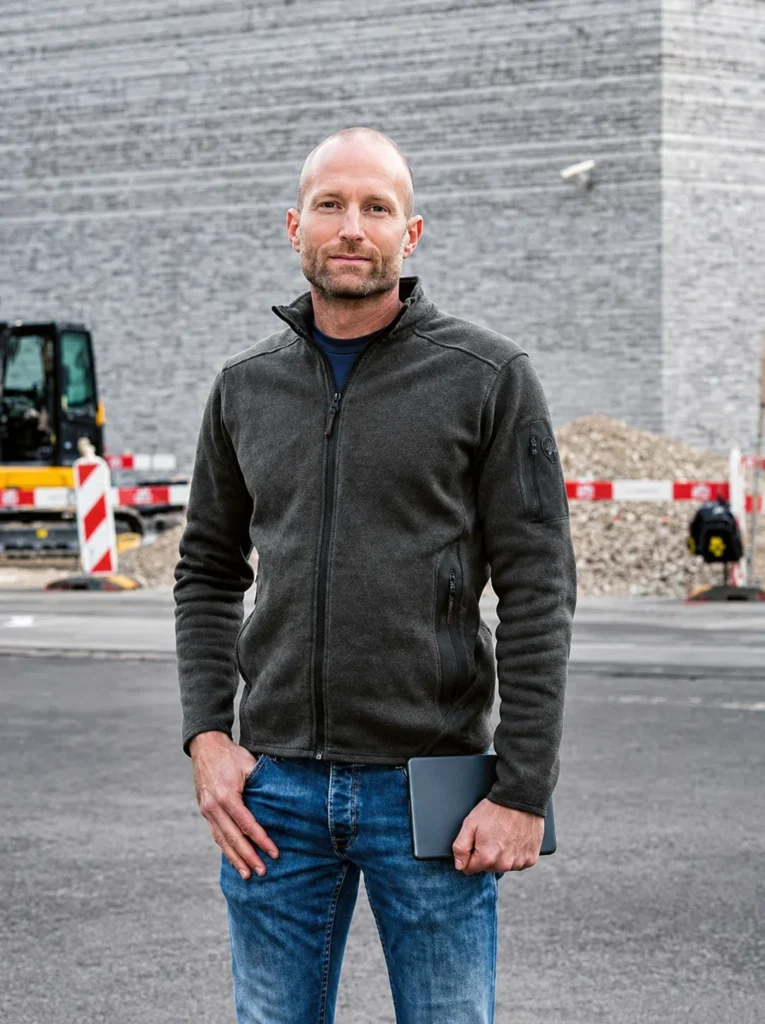
“We greatly value the helpful and solution-oriented collaboration with cura3D.”
What should you pay particular attention to when capturing a virtual tour?
Before implementation, it is worth carefully considering which locations are suitable for the 360° shots, as this has a major influence on orientation within the tour. The challenge is to provide as much overview as possible with as few standpoints as possible. Ideally, there are direct lines of sight between the shots.
What advantages does the cura3D 360° InteractiveTour Photo web CMS offer museums?
The CMS also enables people with less technical experience to create annotations for the tour. The import function for data from the collection management system is particularly helpful.
How did the process of creating the virtual tour unfold, from the photography through to publication on the Kunstmuseum Basel website?
We usually need a great deal of time to obtain permission from our lenders to use the images. After that, studio photographs are gathered for all exhibits, along with additional exhibition material such as wall texts, archival documents, room sheets, videos, audio guides, and more, which will later be linked in the tour. After the exhibition opening, our in-house photographer creates the 360° shots and photographs the display cases using a lifting platform. With each virtual tour, we have been able to improve the creation processes and technical possibilities. This time, for example, this included an automated interface to our DAM system and the integration of IIIF images, which enable smooth zooming for our high-resolution artwork photographs.
What distinguishes cura3D virtual tours from other tours?
For us as an art museum, the technology using high-resolution panoramic images has the advantage that the quality of the works comes across better and the interface is relatively easy to use. In my view, tours with 3D spaces do not yet achieve this quite as well. I think it is important that details for every exhibition object can be accessed with a single click. Personally, I especially like the audio guide function. It is important to me that I can see and hear everything from the original exhibition in the virtual tour.
What characterises the collaboration with cura3D?
We greatly value the helpful and solution-oriented collaboration with cura3D. We are also pleased that feature requests from us have repeatedly been taken up and implemented.